Comprehensive News As the core engine of Indonesia's industrialization process, several integrated industrial zones on Java Island have recently launched large-scale expansion and upgrading projects to accommodate the continuous influx of domestic and international capital. This wave of infrastructure construction is strongly driving demand for steel, particularly industrial-grade steel, injecting robust growth momentum into Indonesia's domestic steel industry.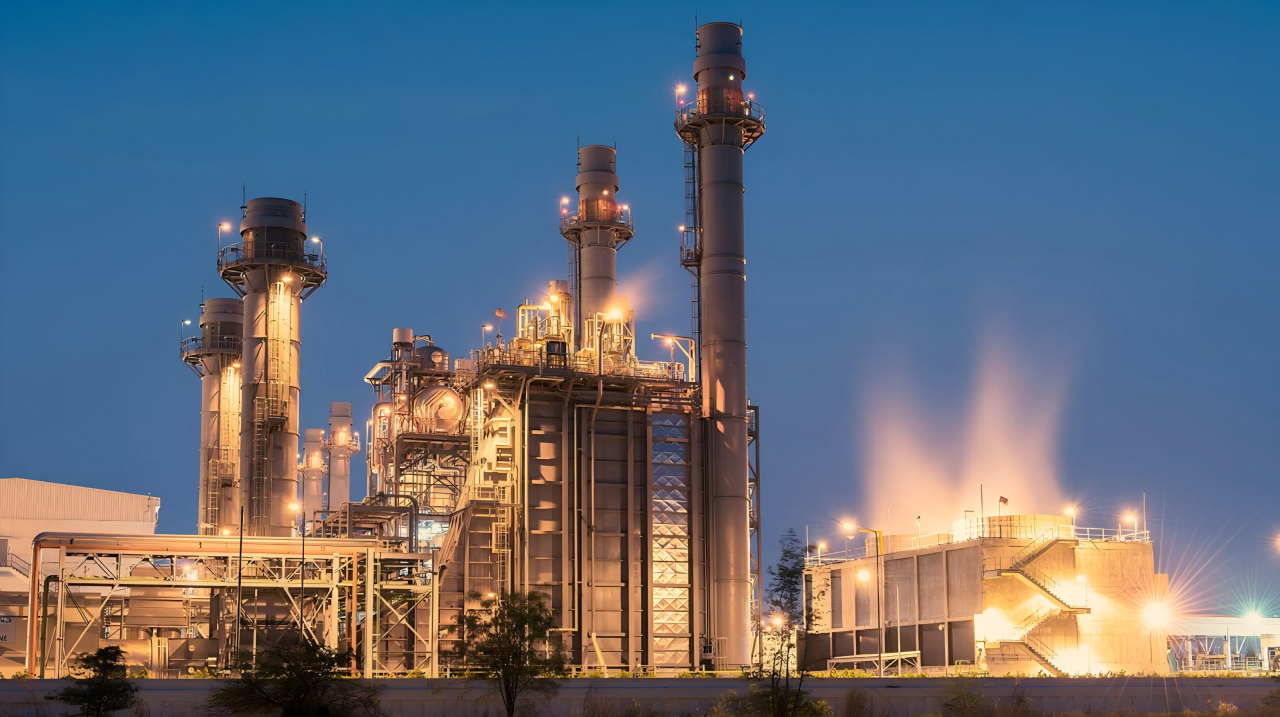
Industrial Zone Expansion: Accommodating Global Industrial Chain Relocation
Amid the reshaping of global supply chains and the effectiveness of Indonesia's investment attraction policies, key industrial zones such as Karawang in West Java, Gresik in East Java, and several others around Jakarta have announced expansion plans. These projects aim to meet the growing production capacity demands of industries such as automotive manufacturing, electronics and appliances, machinery and equipment, and fast-moving consumer goods.
"Industrial land is almost in short supply," said a representative from an industrial zone management authority. "We are witnessing concentrated investments from China, Japan, and South Korea, particularly in new energy and high-end manufacturing, which places higher demands on our infrastructure capacity."
Construction and Manufacturing Dual Drivers Fuel Strong Steel Demand
The steel demand generated by this industrial zone expansion exhibits a "dual-drive" effect:
Construction Phase Demand: The construction of new factories, road upgrades, and supporting port and storage facilities requires large quantities of construction steel such as rebar and wire rod for main structures and foundation work.
Production Phase Demand: Entering enterprises, especially automotive and machinery plants, will continuously consume high-end industrial steel like hot-rolled coils, cold-rolled coils, and galvanized sheets as raw materials in their production lines.
This full-cycle demand from "factory building" to "production" ensures the continuity and stability of steel consumption. Major domestic steel giants in Indonesia, such as Krakatau Steel, are actively adjusting their product mix and increasing the proportion of industrial steel capacity to meet market changes.
Enthusiastic Market Response, Industrial Chain Embraces Opportunities
Faced with surging orders, steel distributors and processing centers are bustling. Steel processing enterprises around the industrial zones are beginning to invest in advanced equipment like laser cutting and CNC bending to provide higher value-added steel processing services, catering to the customized needs of manufacturing clients.
"In the past six months, order volumes from industrial zones have increased by over 30% year-on-year," revealed a steel trader. "Demand for cold-rolled coils used in manufacturing appliance housings and automotive parts is particularly strong."
Outlook: Sustainable Growth Coexists with Challenges
Industry experts analyze that the upgrade and expansion of industrial zones on Java Island, Indonesia's traditional economic center, epitomize the country's economic transformation. This investment boom is expected to sustain the industrial steel market in the medium to long term. However, challenges also arise, including ensuring stable steel supply, coping with potential raw material price fluctuations, and promoting the green transition of steel production itself to align with Indonesia's emission reduction goals.
Undoubtedly, the vibrant activity in Java's industrial zones is becoming a crucial barometer for observing Indonesia's industrial development and the fluctuations of its steel market. This construction boom not only solidifies Indonesia's manufacturing position in Southeast Asia but also provides a valuable historical opportunity for the upgrading and development of its domestic steel industry chain.